
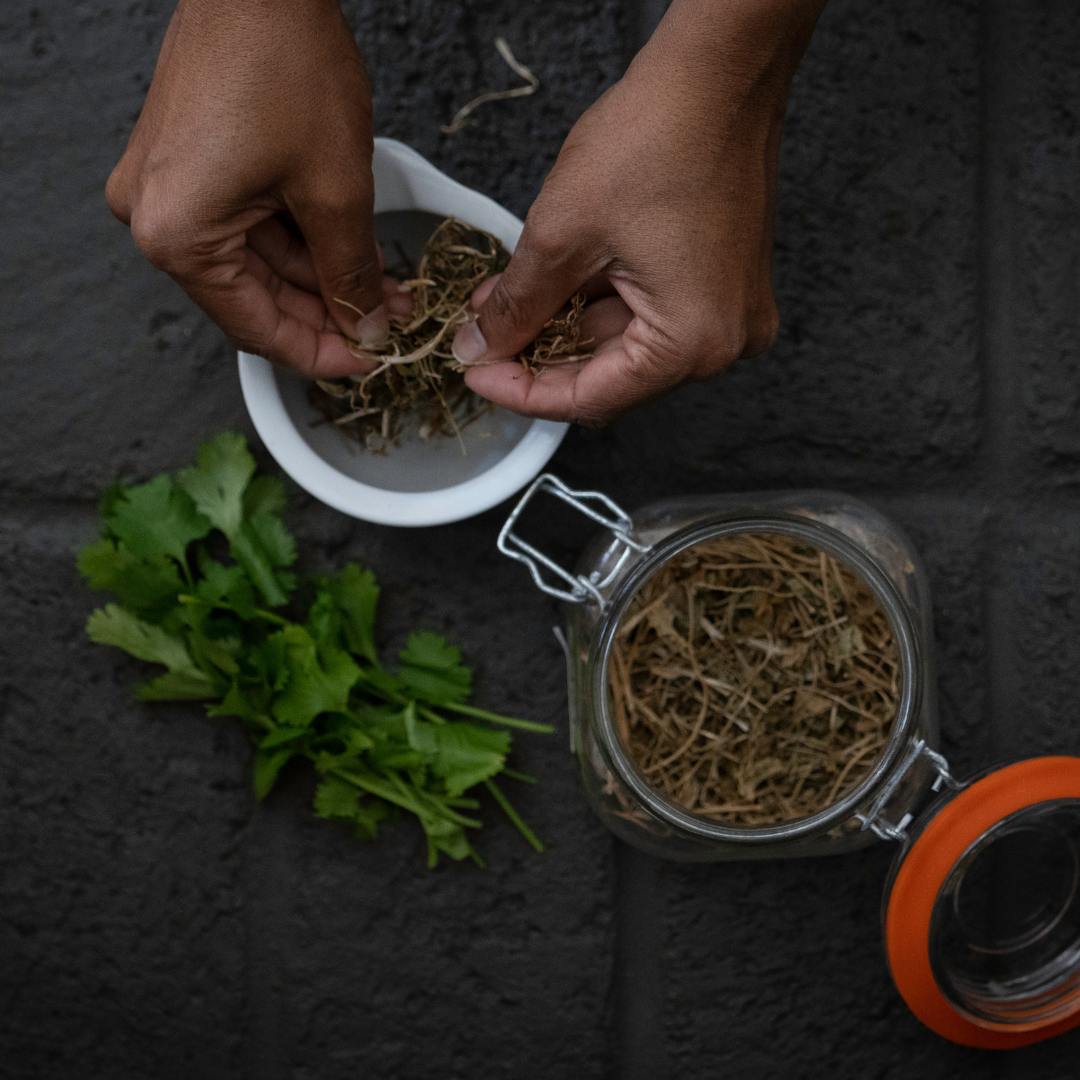
What Is Babchi Oil? The Ayurvedic Root Behind Our Supercharge Bakuchiol Serum
Long before "bakuchiol" started showing up on serum labels next to words like "clinically proven" and "retinol alternative," it had another name — one my grandmother would have recognized instantly. Babchi. Or, depending on the region, bakuchi. Same plant, same seed, a few thousand years head start.
If you've been using a bakuchiol serum and never thought to ask where the name actually comes from, here's the story behind the ingredient.
What Is Bakuchiol, Exactly?
Bakuchiol is a plant-derived compound extracted from the seeds — and sometimes leaves — of Psoralea corylifolia, a flowering plant native to South Asia. In modern skincare, it's best known as a natural retinol alternative: it can support smoother texture, more even tone, and softer fine lines through a mechanism similar to retinol, without functioning as a vitamin A derivative or carrying the same irritation and sun-sensitivity concerns.
That's the version of the story most beauty articles tell. It starts around 2014, when the first cosmetic studies on bakuchiol were published. But the plant it comes from has a much longer résumé.
Babchi Oil: The Ayurvedic Original
In Ayurveda, the seeds of Psoralea corylifolia are called babchi (also spelled bakuchi), and they've been part of traditional formulations for centuries — long before anyone isolated the specific compound now sold in serums as "bakuchiol." Classical Ayurvedic texts reference babchi seeds and the oil pressed from them in the context of skin health and complexion, used topically in oils and pastes as part of a broader, ingredient-minimal approach to skincare.
So when a modern serum lists "bakuchiol," it's naming the specific active compound. When Ayurveda talks about babchi oil or bakuchi oil, it's referring to the whole traditional preparation the compound was quietly part of all along. Same seed, two different eras of the same idea: this plant is good for skin.
Why That History Matters More Than a Marketing Claim
There's a reason bakuchiol got adopted so quickly by "clean beauty" once retinol fell out of favor for pregnant and sensitive-skin users. It wasn't a lab inventing something new — it was skincare science catching up to something Ayurveda had already been using for generations. That's a genuinely different story than most trending ingredients get to tell, and it's worth knowing if you're the kind of person who likes to understand what's actually in your routine and why.

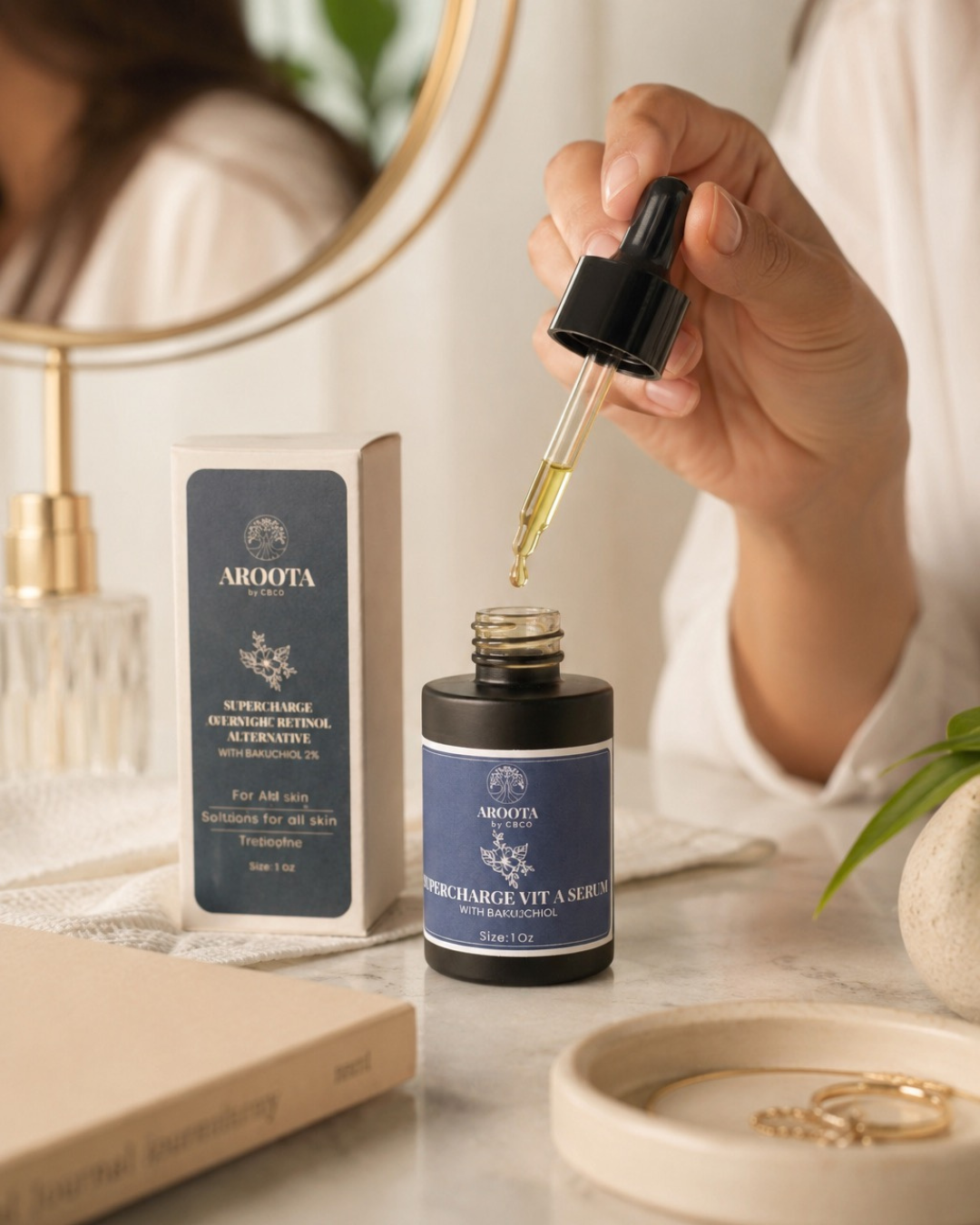
It's also why we built our Supercharge Bakuchiol Retinol Serum around this ingredient specifically, rather than reaching for synthetic retinol alternatives. It's not a trend ingredient to us — it's a formula our grandmothers would recognize, just refined.
Babchi Oil vs. Bakuchiol: Is There a Difference?
For most people shopping for skincare, the short answer is: not really — "bakuchiol" is simply the specific compound modern formulators isolate and use at a measured, stable concentration, while "babchi oil" traditionally refers to the whole pressed oil. A well-formulated bakuchiol serum is, in a sense, a more precise, consistent version of what babchi oil has always offered.

How to Use Bakuchiol in Your Routine
A few basics, whether you're new to the ingredient or just curious about the "why":
-
Start slow. A few nights a week is plenty to begin, building up as your skin adjusts.
-
Pair it with hydration, not more actives. Bakuchiol works well layered under a simple moisturizer rather than stacked with multiple exfoliating ingredients.
-
Be patient. Like most gentle actives, visible changes in texture and tone build over weeks, not days.
-
If you're pregnant, postpartum, or breastfeeding, talk to your doctor first — we cover what the current research actually says in this guide.
Frequently Asked Questions
Is babchi oil the same as bakuchiol? They come from the same source — the seeds of Psoralea corylifolia. Bakuchiol is the specific compound isolated from those seeds; babchi (or bakuchi) oil is the traditional term for the broader Ayurvedic preparation.
What is bakuchiol used for? It's most commonly used as a gentler, plant-derived alternative to retinol — supporting smoother texture, tone, and the appearance of fine lines without retinol's typical irritation.
Is bakuchiol a natural retinol alternative? Yes. It works through a different mechanism than retinol but is associated with similar visible benefits, which is why it's become the most common "natural" recommendation in place of retinol.
How long has bakuchiol been used in skincare? Modern cosmetic use dates back roughly a decade, but the plant it comes from — babchi — has a history in Ayurvedic practice going back centuries.
Some ingredients are trends. Others are just very old ideas that finally got a modern name. Read more about why we build every Aroota formula around ingredients like this →

Leave a comment
This site is protected by hCaptcha and the hCaptcha Privacy Policy and Terms of Service apply.