
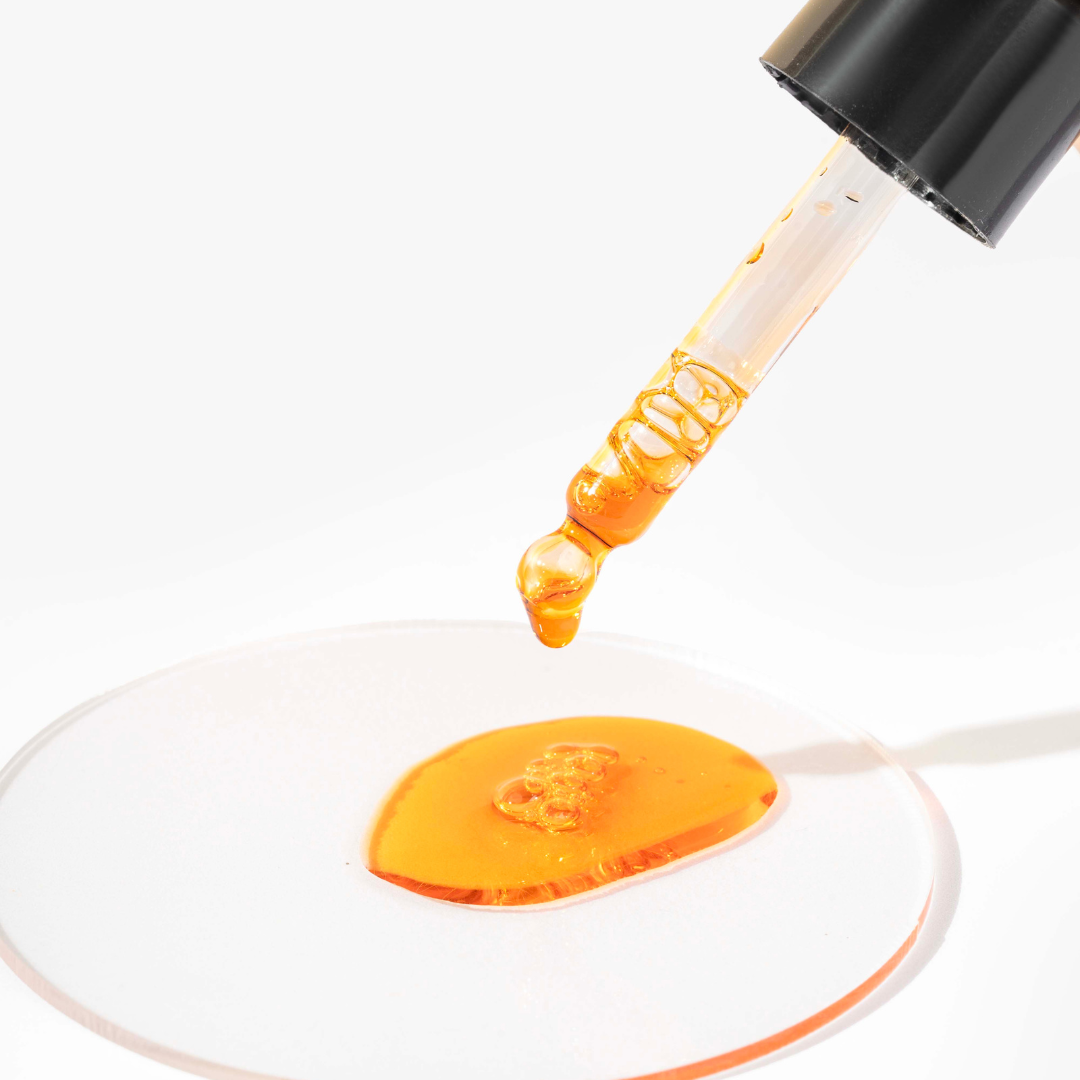
Astaxanthin Benefits for Skin: The Ultimate Antioxidant Guide
In the quiet moments of our skincare rituals, we seek more than just results. We seek connection, safety, and a sense of deep nourishment. For women navigating the profound hormonal shifts from pre-conception through menopause, this search becomes even more critical. We begin to question every layer, every ingredient, asking not only "Will this work?" but "Will this honor my body?"
This is where astaxanthin enters the conversation. Far more than just another trending ingredient, this potent antioxidant stands as a guardian for skin in transition. It offers a unique promise: clinical-grade protection from oxidative stress, all while respecting the delicate equilibrium of your hormonal health. This is not about fighting aging; it's about gracefully supporting your skin's resilience through every chapter. Discover how this 'king of carotenoids' can become a cornerstone of your sacred, safe, and profoundly effective skincare ritual.
Understanding Astaxanthin: The 'Red Diamond' of Natural Carotenoids
At its core, astaxanthin (asta-zan-thin) is a potent keto-carotenoid, a vibrant red pigment created by the microalgae Haematococcus pluvialis. Think of it as nature's ultimate survival mechanism. When this algae is exposed to intense environmental stress, like harsh UV radiation or a lack of nutrients, it produces astaxanthin to create a protective shield around its DNA, allowing it to survive in a dormant state for decades.
This incredible resilience is what makes it so valuable for our skin. We call it the 'Red Diamond' of antioxidants—a nod to its rarity, its concentrated power, and its beautiful, deep crimson hue. Unlike other antioxidants, astaxanthin has a unique molecular structure that allows it to span the entire cell membrane, offering comprehensive protection from the inside out. It neutralizes free radicals in both the water-soluble and fat-soluble parts of the cell, a feat few other antioxidants can claim.
From Deep Sea Algae to Modern Skincare
The journey of astaxanthin from an ancestral survival molecule to a modern skincare hero is one of profound respect for nature's intelligence. For centuries, this molecule has protected marine life, giving salmon and flamingos their signature pinkish-red color. Today, we have learned to harness its power for our own cellular protection.
However, not all astaxanthin is created equal. Synthetic versions, often derived from petrochemicals, lack the full spectrum of co-factors found in their natural counterpart. Sourcing astaxanthin directly from algae ensures you receive the pure, biologically active form that nature intended. In its most essential role, astaxanthin acts as a biological shield, protecting cellular DNA from the oxidative damage caused by light and environmental stressors.
The Carotenoid Family: Why Color Matters in Beauty
In Ayurvedic wisdom, the vibrancy of a plant often signals its potency and life force, or prana. Astaxanthin’s deep red pigment is a clear indicator of its high-energy protective capabilities. While it belongs to the same family as beta-carotene (found in carrots) and lycopene (found in tomatoes), its antioxidant capacity is in a class of its own.
Its unique structure allows it to quench free radicals far more effectively, without ever becoming a pro-oxidant—meaning it doesn’t become destructive itself after neutralizing a free radical. This stability is key. This introduces the powerful Ayurvedic concept of 'inner-outer' beauty: what we apply to our skin should be as pure and vibrant as the whole foods we use to nourish our bodies.
Why Astaxanthin Outperforms Vitamin C for Skin Through Every Transition
Vitamin C has long been celebrated in skincare, but for skin navigating the sensitivities of hormonal change—be it during perimenopause, pregnancy, or periods of high stress—it can sometimes be unstable and irritating. Astaxanthin offers a more powerful, yet gentler, alternative.
You may have seen the claim that astaxanthin is "6,000 times stronger than Vitamin C." While this number comes from a specific lab study measuring its ability to neutralize a single type of free radical (singlet oxygen), it points to a fundamental truth: astaxanthin is an exceptionally potent antioxidant. It excels at protecting the skin's delicate collagen matrix, which is particularly vulnerable to degradation during the hormonal fluctuations of midlife. It also directly addresses 'inflammaging'—the chronic, low-grade inflammation that silently accelerates skin aging and can be exacerbated by hormonal shifts.
A Comparison of Antioxidant Powerhouses
To understand its unique strengths, let's compare astaxanthin to other well-known antioxidants:
| Antioxidant | Key Benefit | Stability | Best For |
|---|---|---|---|
| Astaxanthin | Full-cell protection, anti-inflammatory, UV damage repair | Very High (does not become a pro-oxidant) | Sensitive, transitioning, and sun-exposed skin |
| Vitamin C (L-Ascorbic Acid) | Brightening, collagen synthesis | Low (can oxidize quickly and cause irritation) | Hyperpigmentation, dullness (on non-sensitive skin) |
| Vitamin E (Tocopherol) | Moisturizing, barrier repair | Moderate (works best with Vitamin C) | Dry and dehydrated skin |
| Coenzyme Q10 | Cellular energy, fine line reduction | Moderate | Early signs of aging, fatigue |
While Vitamin C can be a powerful ally, its potential for irritation makes astaxanthin a more grounding and calming choice for skin that requires gentle, consistent support. The true magic happens in formulation; the synergistic effect of using astaxanthin alongside other nurturing botanicals creates a holistic shield that supports the skin's ecosystem.
Preserving Elasticity and Softening Fine Lines
One of astaxanthin's most profound benefits is its ability to inhibit the activity of MMPs (Matrix Metalloproteinases). These are enzymes that, when over-activated by sun exposure and inflammation, break down our precious collagen and elastin. By keeping these enzymes in check, astaxanthin helps preserve the skin's underlying structure, maintaining its firmness and bounce.
It also functions as an "internal sunscreen," absorbing specific UV rays and mitigating the damage before it can trigger inflammation and cellular damage. While this never replaces the need for a daily mineral SPF, it provides an essential secondary layer of defense. This protective action also helps manage hyperpigmentation and age spots by calming the inflammatory response that can lead to excess melanin production.
The Hormonal Safety Profile: Why Clean Sourcing is Vital
For any woman navigating fertility, pregnancy, perimenopause, or simply seeking a cleaner lifestyle, the question of hormonal safety is paramount. The beauty industry is saturated with powerful anti-aging ingredients, but many come with a hidden cost: potential endocrine disruption. Our endocrine system is a delicate web of communication, and synthetic chemicals that mimic our natural hormones can throw it out of balance.
This is especially true during midlife, when our bodies are already in a state of profound hormonal flux. Skin becomes thinner and more absorbent, making us more vulnerable to the effects of these chemical mimics. Astaxanthin, in its pure, naturally-sourced form, stands apart as a potent antioxidant that works with your body, not against it. It provides protection without interference, making it a trusted ally for every stage of womanhood.
This philosophy of purity and safety is why we at Aroota commit to using 10 ingredients or less. Simplicity is transparency. It ensures that every ingredient is purposeful, potent, and free from the questionable fillers and preservatives that can compromise your well-being.
Navigating Skincare During Hormonal Transitions
Hormonal shifts change everything—our mood, our energy, and especially our skin. As estrogen declines during perimenopause and menopause, our skin's barrier can become compromised, leading to dryness, sensitivity, and a reduced ability to protect itself from environmental toxins. Choosing skincare that supports this delicate balance is an act of profound self-care.
To protect your hormonal harmony, it's wise to avoid common endocrine disruptors often found in conventional anti-aging serums, such as:
- Parabens (e.g., methylparaben, propylparaben): Preservatives that can mimic estrogen.
- Phthalates (e.g., DBP, DEHP): Often hidden in synthetic "fragrance."
- Chemical UV filters (e.g., Oxybenzone): Can interfere with hormone production.
The Purity of Small-Batch, Handcrafted Sourcing
The integrity of an ingredient is only as good as its sourcing. Mass-produced astaxanthin can be diluted with synthetic fillers or preserved with chemicals that undermine its purity. Handcrafted, small-batch skincare ensures that the final product retains the full, vibrant life force of the original botanical.
At Aroota, our commitment to this artisan approach is unwavering. It allows us to blend ancestral Ayurvedic wisdom with modern safety standards, creating products that are both potent and pure. We believe your skincare should be a source of peace, not a source of worry.
Topical vs. Dietary: Building a Holistic Astaxanthin Ritual
While consuming astaxanthin-rich foods like wild-caught salmon and krill oil offers systemic benefits, targeted topical application is the most effective way to deliver its protective power directly to the skin. When applied in a well-formulated serum, astaxanthin can penetrate the epidermis and dermis, reaching the cells where it is needed most to combat photoaging and inflammation.
This 'skin-first' delivery is about precision. It's about giving your facial skin the concentrated dose it needs to build resilience. The key is not intensity, but consistency. This is the heart of the 'Slow Beauty' approach—a commitment to a patient, daily ritual that nurtures long-term health over seeking a quick, temporary fix.
The Ritual of Application: A Moment of Pause
Transform your skincare from a task into a treasured ritual. This is a moment to connect with your body and quiet your mind. A simple, potent evening routine can be a powerful anchor, especially during times of transition.
- Gentle Cleansing: Begin with a clean canvas. Use a nurturing cleanser, like our Ayurvedic Turmeric Soap Bar, to gently purify the skin without stripping its natural oils. Pat your skin dry with a soft cloth.
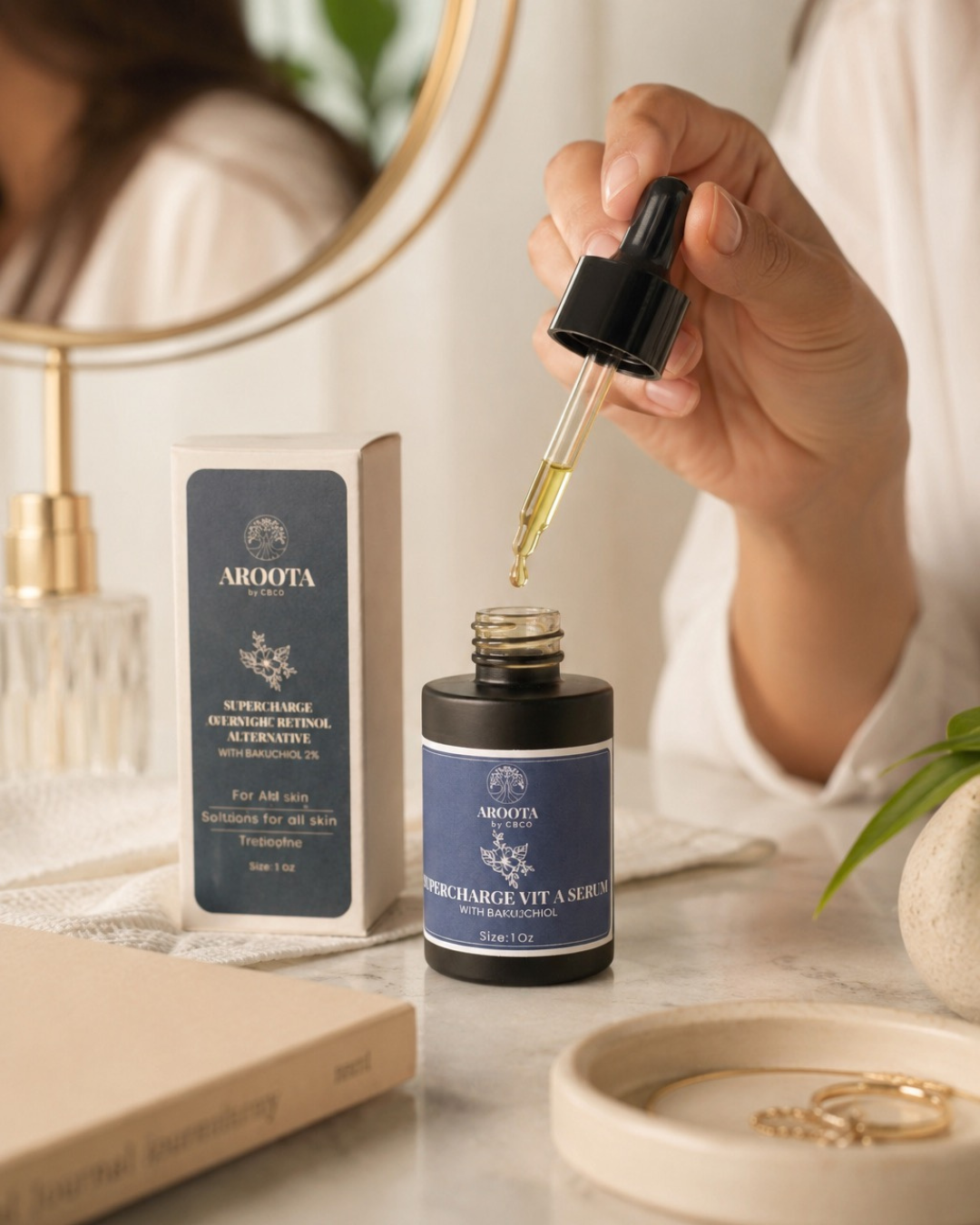
- Warm the Serum: Dispense 2-3 drops of a potent antioxidant serum into your palm. Consider a formula that combines multiple powerful botanicals, like our Supercharge Bakuchiol Retinol Serum, which embodies the philosophy of gentle, effective renewal. Rub your palms together to gently warm the oil.
- Press and Breathe: Instead of rubbing, gently press the serum into your skin. Start with your cheeks, then your forehead, and finally your chin, neck, and décolletage. Focus on areas of transition around the eyes and mouth. With each press, take a deep, grounding breath.
Synergy in the Bottle: Astaxanthin and Retinol Alternatives
The modern alchemist understands that the greatest power lies in synergy. Astaxanthin pairs beautifully with other intelligent botanicals, particularly gentle retinol alternatives like Bakuchiol. While astaxanthin provides the protective shield against daily damage, Bakuchiol works to stimulate cellular turnover and collagen production, all without the irritation associated with traditional retinoids.
This approach—combining ancient roots with potent, modern extracts—delivers comprehensive results. By embracing a minimalist routine centered on a few high-performance ingredients, you dramatically reduce the 'chemical load' on your body, allowing your skin to find its natural equilibrium.
Embracing Slow Beauty: Potent Botanicals in Simple Skincare
Astaxanthin is the quintessential ingredient for a 'Slow Beauty' philosophy. It is purposeful, powerful, and deeply respectful of the body's natural processes. It reminds us that true radiance comes not from a 12-step routine, but from a few, meticulously chosen ingredients applied with intention and consistency.
In a world that often tells women to fight, fix, and erase the signs of a life well-lived, we offer a different path. A path of grace, nourishment, and solidarity. We encourage you to view your skincare not as a chore, but as a sacred habit—a daily promise to honor the body that carries you through every season of life. Aroota was born from this belief, to be a partner and a source of quiet strength on this journey.
The Power of Ten: Why Less is More
A few high-potency ingredients will always outperform a dozen diluted ones. Our '10 ingredients or less' philosophy is a commitment to transparency and efficacy. It's about the confidence that comes from knowing exactly what you are putting on your skin. As a handcrafted, woman-owned business, we believe this clarity is the foundation of trust.
We invite you to explore the Aroota collection and discover the peace that comes from a simple, grounded, and truly effective skincare experience.
A Future-Proof Glow
The long-term benefit of a skincare ritual rooted in protection and balance is a future-proof glow. It’s the result of skin that is resilient, healthy, and in a state of equilibrium. This practice fosters an emotional shift—from frantically 'fixing problems' to calmly 'nurturing health'. It is the foundation of sustainable, lifelong radiance.
Ready to infuse your ritual with potent, hormonally-safe botanicals?
Nurture your skin with our handcrafted Supercharge Bakuchiol Retinol Serum.
Frequently Asked Questions
- Will topical astaxanthin turn my skin orange or pink?
- When formulated correctly in a carrier oil at an appropriate concentration (typically under 1%), astaxanthin will not stain your skin. It imparts a rich, beautiful color to the serum itself, but this color absorbs transparently and can even lend a temporary, healthy-looking glow.
- Can I use astaxanthin and retinol (or bakuchiol) together in the same routine?
- Absolutely. Astaxanthin and Bakuchiol are a perfect pairing. Astaxanthin's powerful anti-inflammatory properties can help soothe any potential sensitivity from cell-renewing ingredients, while its antioxidant shield protects the new skin cells that Bakuchiol helps bring to the surface.
- Is astaxanthin safe to use during pregnancy or while breastfeeding?
- Topical astaxanthin is generally considered safe. However, as with any skincare product used during this sensitive time, we always recommend consulting with your doctor or dermatologist before introducing a new ingredient into your routine.
- How long does it take to see results from using astaxanthin on the skin?
- With consistent nightly use, many people notice an improvement in skin texture, hydration, and overall glow within 4 to 6 weeks. More significant results related to fine lines and hyperpigmentation may become more visible after 8 to 12 weeks as the skin cycles through its natural renewal process.
- Does astaxanthin help with melasma or hormonal hyperpigmentation?
- Yes, it can be very helpful. Astaxanthin helps by inhibiting melanin production and reducing the inflammation that can trigger or worsen hyperpigmentation. It is a gentle yet effective tool for promoting a more even skin tone, especially when combined with consistent sun protection.
- What is the best way to store a serum containing natural astaxanthin to keep it potent?
- Like all potent antioxidants, astaxanthin is best protected from light and air. Store your serum in a cool, dark place (like a medicine cabinet, not on a sunny windowsill). High-quality formulations will be packaged in dark, opaque glass to preserve the integrity of the ingredients.
- Can astaxanthin replace my daily sunscreen?
- No. While astaxanthin provides excellent protection against oxidative stress caused by UV rays, it is not an SPF. Think of it as an 'internal sunscreen' that boosts your skin's resilience from within. It should be used in conjunction with, not as a replacement for, a broad-spectrum mineral sunscreen every single day.
- Are there any side effects to using astaxanthin topically for sensitive skin?
- Astaxanthin is exceptionally well-tolerated and is known for its calming, anti-inflammatory properties, making it ideal for sensitive or reactive skin. Allergic reactions are very rare. As with any new product, it is always wise to perform a patch test on your inner arm before applying it to your face.

Leave a comment
This site is protected by hCaptcha and the hCaptcha Privacy Policy and Terms of Service apply.